
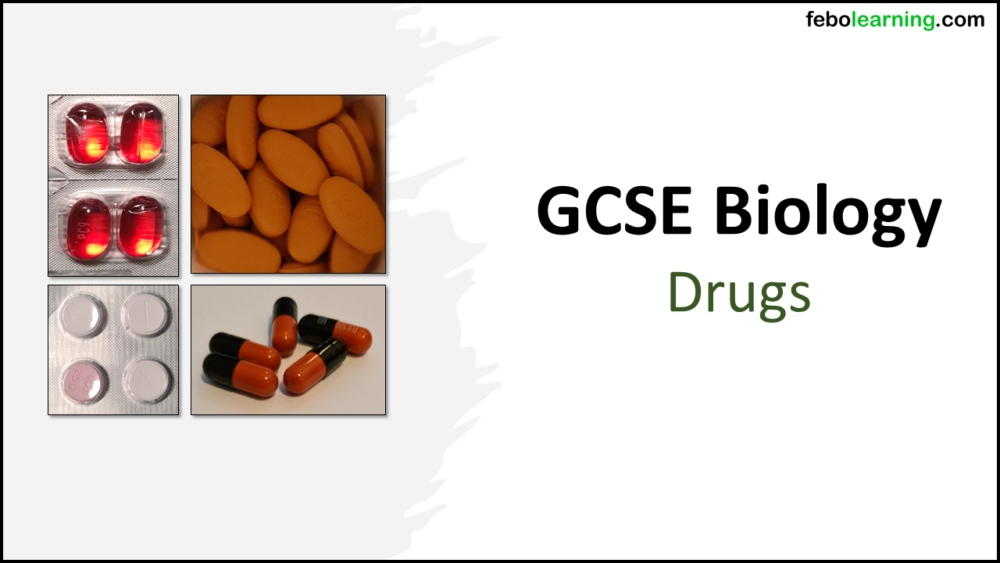




GCSE Biology Topic 3: Drugs
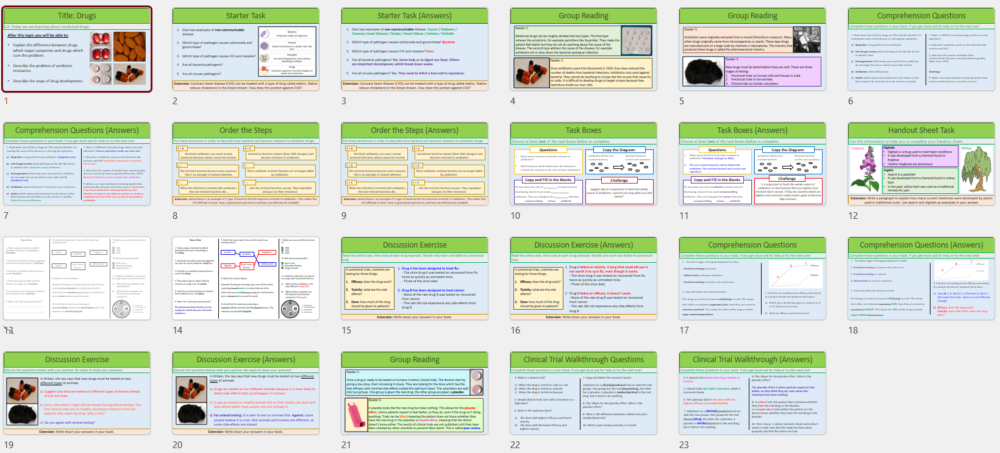
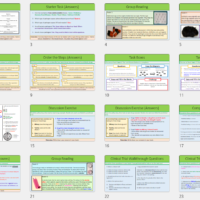
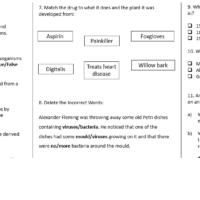
In this GCSE Biology Topic 3: Drugs lesson pupils will explain the difference between drugs which target symptoms and drugs which cure the underlying problem. They will describe the problem of antibiotic resistance and the steps involved in drug development.
The slides include extension questions, and your students can choose from a variety of different tasks.
This lesson includes:
- Title slide with learning objectives
- A starter activity
- Group reading (literacy)
- Comprehension questions
- Task boxes
- Order the steps
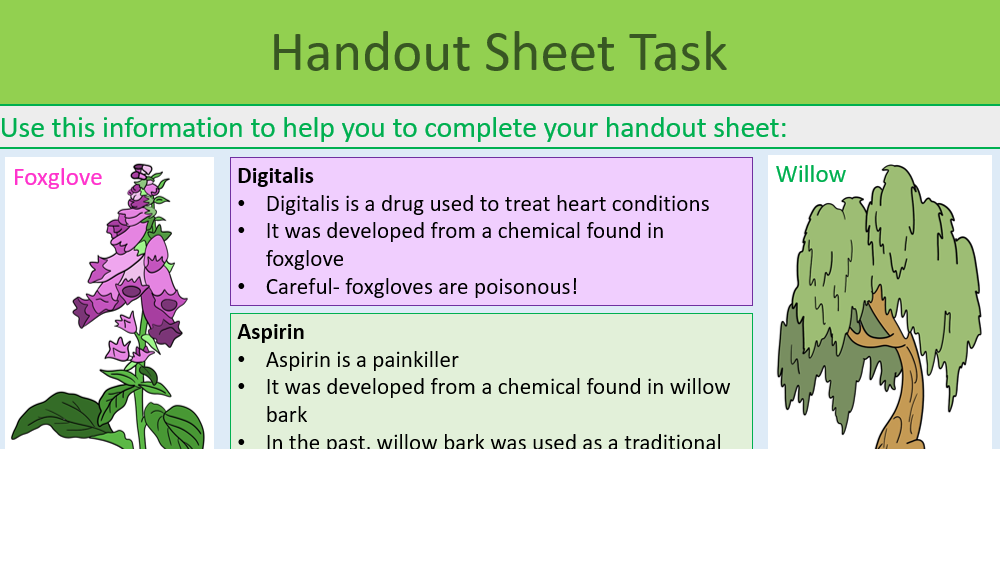
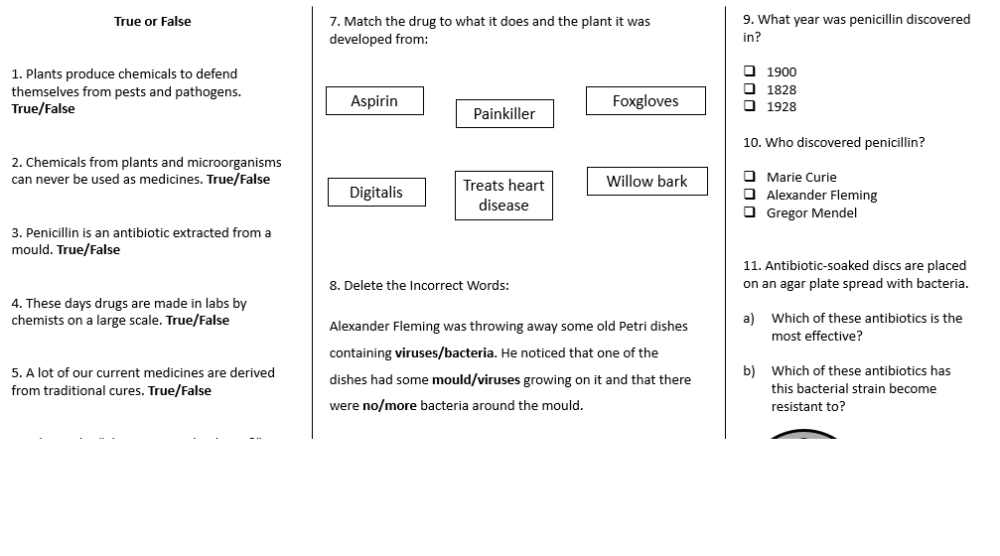
- Handout sheet task
- Discussion exercises
- Comprehension questions
- Clinical trials walk through
- Answer slides included for self-assessment
- Suitable for remote, online, distance learning
- Suitable for supply teaching and home learning. This is fully self-explanatory and can be delivered without specialist knowledge apart from the keyword pathogen which means disease-causing microorganism (germs). Discussion/extension answers are in the ppt notes.
A supplementary resource designed to support self-directed learning, homework and independent projects is available here https://www.tes.com/teaching-resource/drugs-supplementary-slides-and-worksheet-gcse-biology-aqa-12972452
All content, diagrams and photos © Troilo Science / Febo Learning unless otherwise stated.
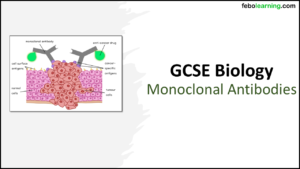
Next Lesson: Monoclonal Antibodies